

Analysis Ports and infrastructure: UAE embraces new economic order in Syria UAE-Syrian ties have moved faster than expected, with Abu Dhabi embracing President Ahmad al-Sharaa and relations shifting from normalization to investment opportunities. By Samuel Wendel In Washington, DC, reporting on regional business and tech
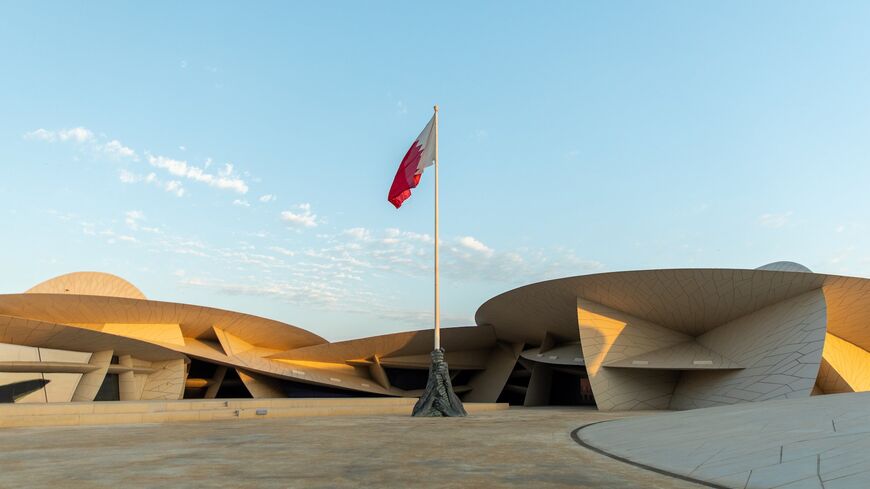
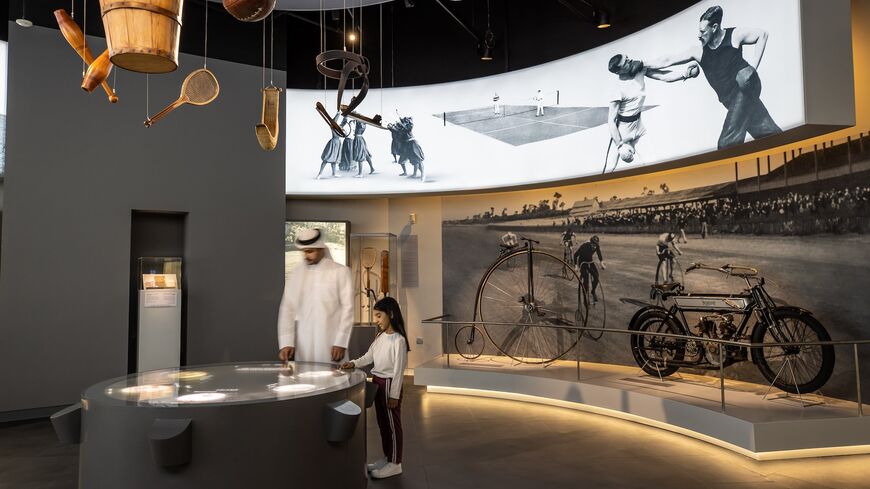
Newsletter: City Pulse Doha Mathaf at 15: Art, time and what hasn’t changed Also this week: A major book fair, a fashion masterclass and candlelit classics By Reve Chaaban In Doha reporting on culture
Newsletter: City Pulse Doha A royal Mercedes and rare classics on display in Doha Also this week: A new beach club in Doha and Holi celebrations By Reve Chaaban In Doha reporting on culture
Why UAE's decision to leave OPEC is major shift for cartel The UAE accounts for 12% of OPEC's output, but tensions had been simmering over intragroup rivalries and the country wanting to export more oil. United Arab Emirates
Newsletter: City Pulse Doha A school reborn: Inside Doha’s new exhibition space By Reve Chaaban In Doha reporting on culture
Analysis Gulf energy deals face Iran war stress test as global expansion meets oil shock By Samuel Wendel In Washington, DC, reporting on regional business and tech

Saudi stocks hit 2026 high, bucking global war-driven volatility The kingdom's stock market climbed to its highest level of the year on Wednesday, with the kingdom’s equities now far outperforming the S&P 500 and other global and regional indices. Saudi Arabia
IMF slashes Mideast outlook by nearly 3 points as Iran war hits economies The International Monetary Fund cut gross domestic product forecasts for the Middle East and North Africa, with the fallout from the conflict exposing stark divergences between the region’s energy exporters and importers. Iran
Newsletter: City Pulse Doha The school that shaped a nation Also this week: UV glow shooting at Alhadaf and Qatar Reads at Doha Festival City By Reve Chaaban In Doha reporting on culture
Analysis How fast can Gulf energy production rebound after US-Iran ceasefire? The truce could pave the way for lost oil and LNG supplies to flow back to global markets, but restoring Gulf energy production to normal levels could take months, if not longer. By Samuel Wendel In Washington, DC, reporting on regional business and tech

EIA hikes 2026 oil price forecasts 22% as Hormuz fuels long-term market fallout In its latest update, the agency said international benchmark Brent crude is now expected to average $96 per barrel in 2026, up from $79 previously, with higher prices now expected to last through 2027. Iran
AirAsia stays course on Bahrain hub as Iran war clouds aviation growth plans The low-cost carrier’s commitment, while conditional on how the conflict evolves, stands out as most global airlines scale back routes, delay launches and reroute flights to avoid the Middle East. Bahrain
Newsletter: City Pulse Doha Fire Station reopens with Chung Seoyoung show Also this week: Hot Wheels Speed City opens in Katara and an MIA exhibition reframes Afghanistan through art By Reve Chaaban In Doha reporting on culture
Jet fuel squeeze exposes Europe’s reliance on Middle East supply Lawmakers on the continent have been told to make "timely preparations in anticipation of a potentially prolonged disruption" in energy flows from the region. Iran
Saudi Arabia, Jordan, Qatar to deepen security ties amid Iran war: What to know Gulf states and Jordan are aligning more closely as Iranian attacks persist. Saudi Arabia
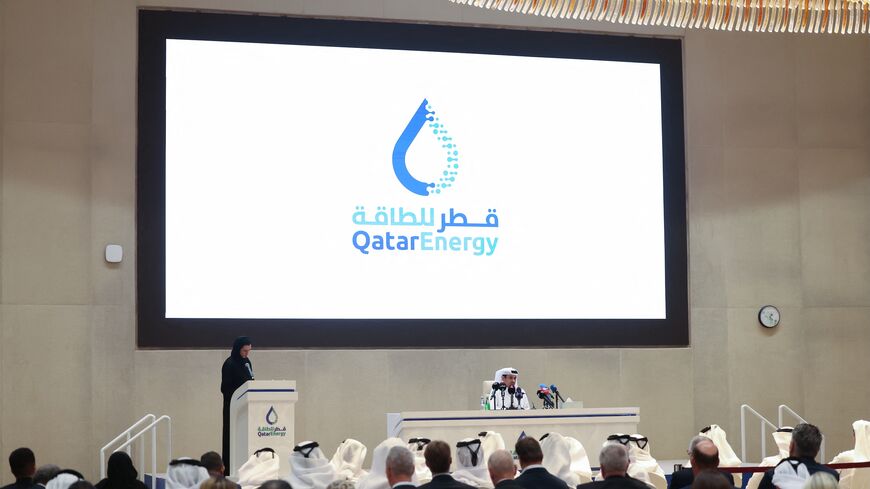
QatarEnergy begins LNG production at major US project amid global supply strain The development paves the way for sustained liquefaction operations and the facility's first cargo, expected in the second quarter of 2026. Qatar
Newsletter: City Pulse Doha Doha edges back to life This week, Qumra kicks off online while exhibitions signal gradual return. By Reve Chaaban In Doha reporting on culture
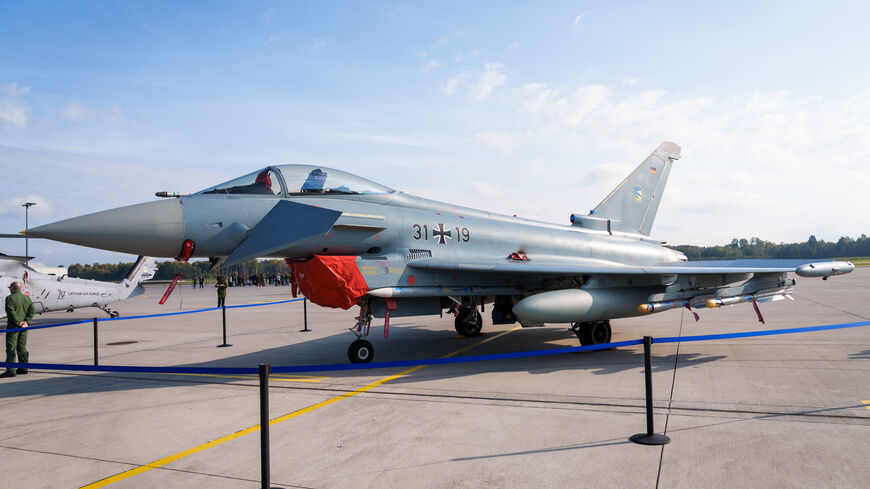
Analysis Iran war drives Turkey-Gulf defense alignment, but not alliance Despite accelerated cooperation as a result of the US-Israeli war on Iran, structural and political constraints would make a formal military alliance unlikely. By Barin Kayaoglu In Ankara, reporting on geopolitics and national security