跳转到主要内容
Explainer

国际货币基金组织预测海湾地区经济将在2027年复苏。能源生产能否跟上这一步伐?

恢复霍尔木兹海峡的航运通道只是复苏的一部分,海湾地区的生产商还需要修复受损的基础设施,以避免对生产和出口造成进一步的干扰。

TOPSHOT - Smoke rises from the direction of an energy installation in the Gulf emirate of Fujairah on March 14, 2026. Smoke could be seen rising from the direction of a major UAE energy installation on March 14, in what appeared to be the latest strike targeting the Gulf's petroleum facilities hours after the US struck Iran's Kharg Island. (Photo by AFP via Getty Images) /
2026年3月14日,海湾酋长国富查伊拉的一个能源设施方向冒出浓烟。 — 法新社/盖蒂图片社

国际货币基金组织周二发布的报告预测,由于今年2月爆发的战争持续扰乱经济活动,中东经济今年将出现下滑。不过,该组织预计,如果霍尔木兹海峡能在2027年3月前重新开放,该地区经济明年将出现反弹。

详情:总部位于华盛顿的国际货币基金组织(IMF)将中东和中亚经济体归为一个区域,预计这些经济体在 2026 年将萎缩 0.3%,这比 IMF 在 4 月份预测的 1.9% 的增长幅度大幅下调。

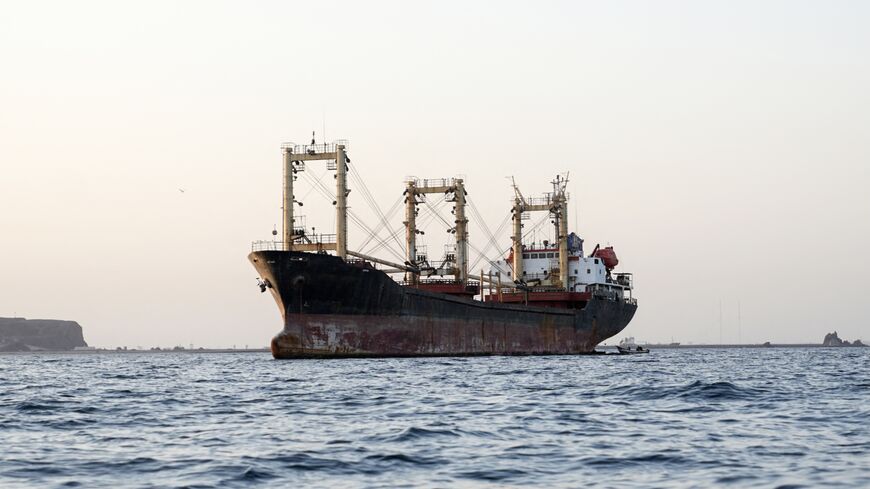
国际货币基金组织将霍尔木兹海峡航运长期中断列为下调前景的原因,该海峡是和平时期全球五分之一石油供应的通道。

科威特、伊拉克和卡塔尔的国内生产总值萎缩最为严重,分别下降16.7%、16%和15.6%。巴林预计将萎缩11.3%。

预计阿联酋经济今年将萎缩 3.9%,然后在 2027 年反弹,增长率将达到 7.7%。

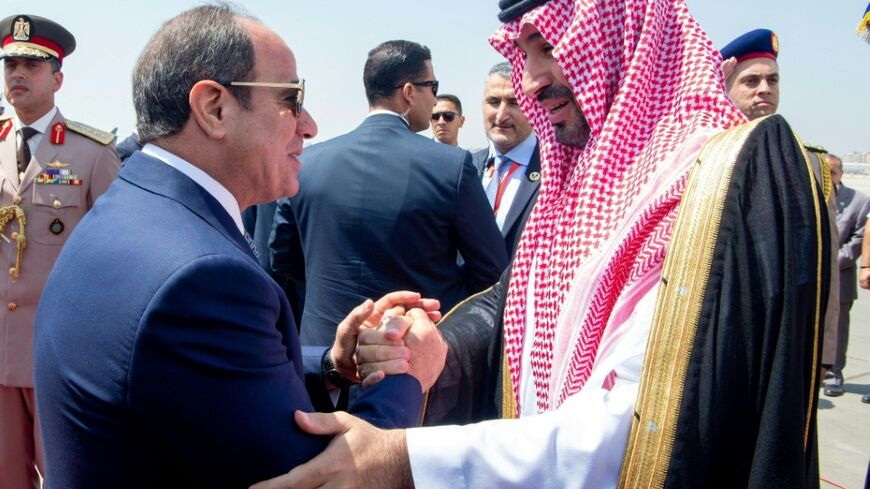
沙特阿拉伯经济预计将萎缩3.3%,但通过东西输油管道增加石油出口,部分抵消了能源行业受到的冲击。预计到2027年,沙特国内生产总值将反弹7.9%。

SUBSCRIBER EXCLUSIVE

Continue reading this exclusive analysis

Original reporting and analysis unavailable elsewhere. Subscribe to AL-MONITOR to read this story and access everything we publish