Hormuz LNG shipments hit wartime high, but Qatar lags
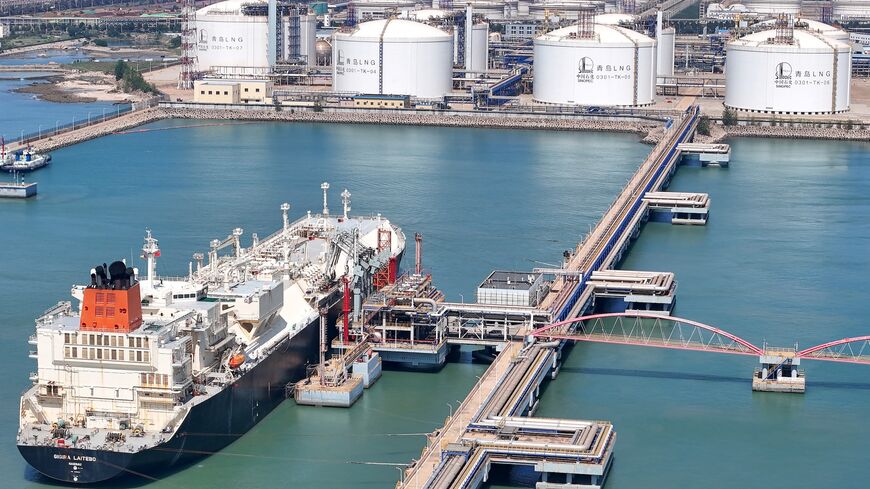
Some 31 LNG carriers transited the Strait of Hormuz in October, the highest number since February before the Iran war began, according to data from S&P Global Energy.


Liquefied natural gas exports through the Strait of Hormuz in October reached their highest level since the US-Israel-Iran war began, but exports from Qatar remained well below prewar levels.
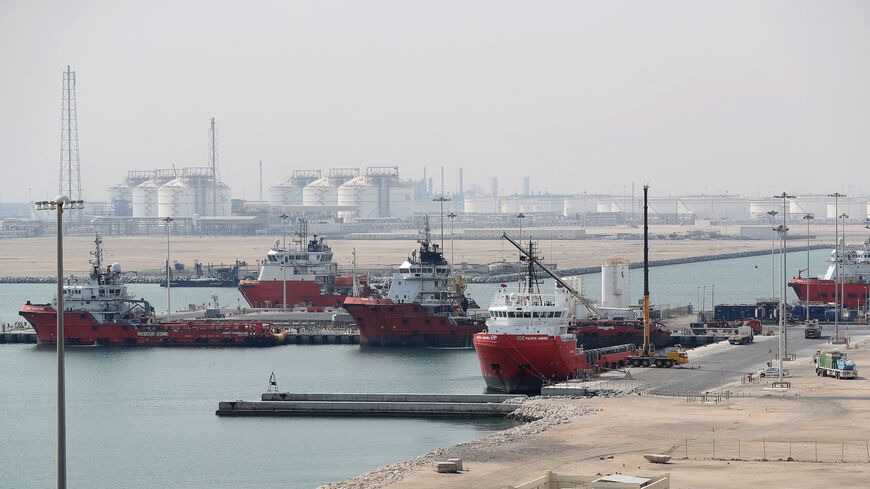
What happened: 31 cargoes carrying LNG transited the Strait of Hormuz in October, the highest number since February, according to data from S&P Global Energy. All came from the Gulf’s two biggest LNG exporters. Qatar’s Ras Laffan hub loaded 23 of the cargoes and Das Island in the United Arab Emirates loaded eight.
Two LNG carriers from Ras Laffan that exited the strait subsequently conducted ship-to-ship transfers off Oman’s Sohar anchorage, according to Kpler. One of them, the SC Prestige, transferred LNG to the BW ENN Crystal Sky, which is now bound for South Korea.
Meanwhile, Kpler’s ship-tracking data showed that 42 LNG cargoes were loaded in October, up from 27 in September. Loadings at Ras Laffan reached 35 cargoes, totaling more than 2.7 million tons, the most since the war began. Das Island loaded seven cargoes, the same figure as in September.