Explainer-Who are the Houthis, Iran’s allies in Yemen?


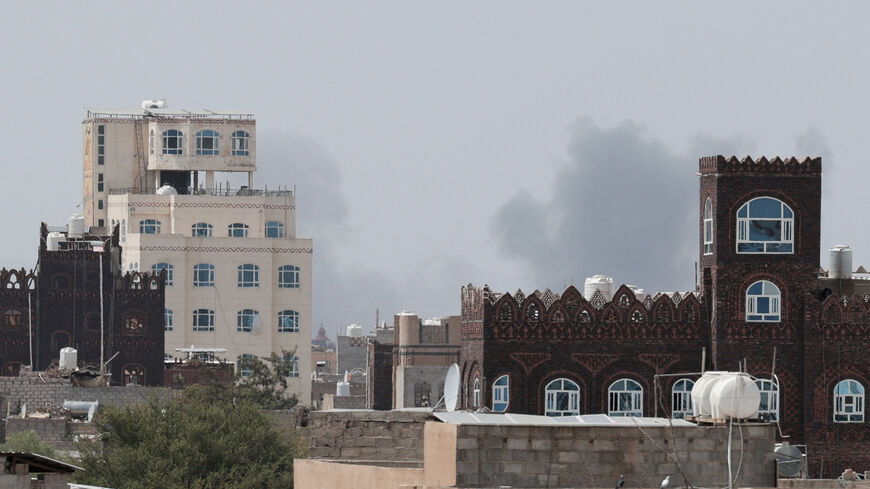
July 15 (Reuters) - Yemen's Houthi movement fired missiles at Saudi Arabia after accusing the kingdom of bombing an airport under their control on Monday,breaking a four-year truce in the conflict between the kingdom and the Iran-aligned group.
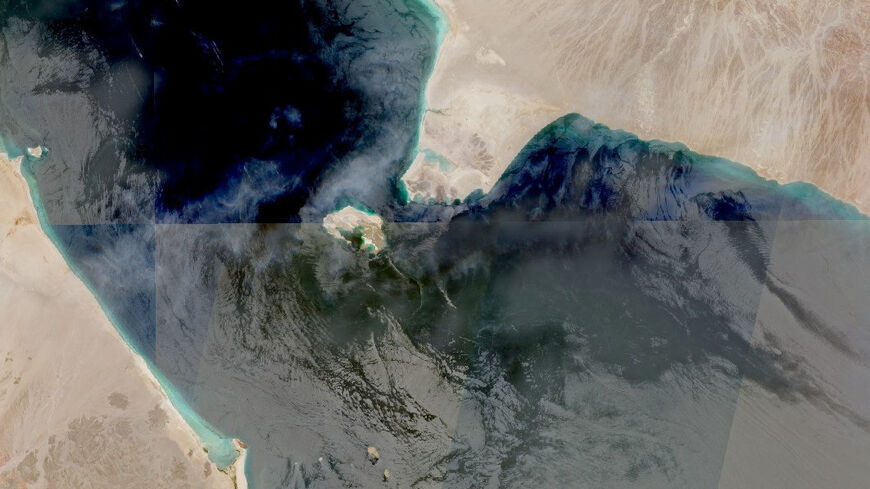
The move signals the end of a period of de-escalation and raises concerns that Iran could now start using its Houthi allies to close the Bab el-Mandeb gateway to the Red Sea, which would be the second global shipping choke point disrupted after the Strait of Hormuz.
WHO ARE THE HOUTHIS?
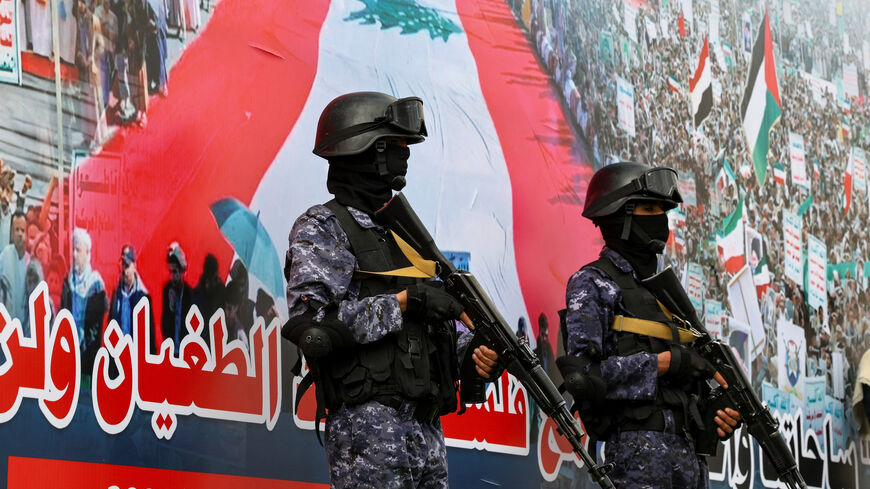
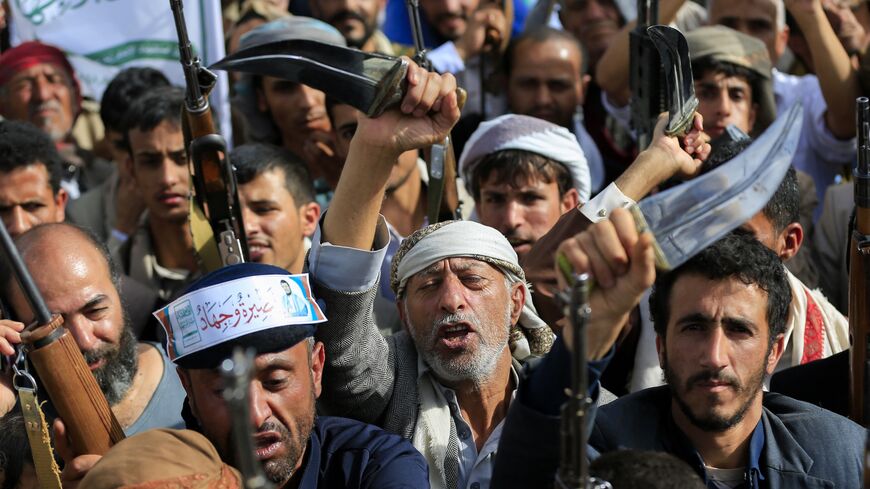
Abdul Malik al-Houthi, the highly secretive leader of Yemen's Houthis, turned mountain fighters in sandals into a force of tens of thousands that disrupted global trade and challenged Israel and its Western allies after the Gaza war erupted.
The Houthis are a military, political and religious movement led by the Houthi family and based in northern Yemen. They adhere to the Zaydi sect of Shi'ite Islam.
The Houthis have a history of fighting guerrilla wars with the Yemeni army but expanded their power and built closer ties with Iran after the 2011 "Arab Spring" protests.
Seizing on instability in the country, the group capturedthe Yemeni capital Sanaa in 2014.
The following year, Saudi Arabia led a coalition of Arab states in a military intervention to attempt to dislodge the group.
The Houthis demonstrated significant missile and drone capabilities, attacking oil installations and vital infrastructure in Saudi Arabia and the United Arab Emirates.
After years of fighting that led to one of the world's worst humanitarian crises, the U.N. brokered a 2022 truce between the warring sides in Yemen.
HISTORY
In the late 1990s, the Houthi family in far north Yemen set up a religious revival movement for the Zaydi sect of Shi'ite Islam, which had once ruled Yemen but whose northern heartland had become impoverished and marginalised.
As friction with the government grew, they fought a series of guerrilla wars with the national army and a brief border conflict with Sunni Saudi Arabia.
HOUTHI ATTACKS
After the October 7, 2023, attack on Israel led by Palestinian militant group Hamas, which triggered a devastating Israeli military campaign in Gaza, the Houthis began firing on international shipping in the Red Sea, saying they were doing so in support of Palestinians.
They also fired drones and missiles at Israel, which responded with air strikes on Houthi targets. The U.S. also launched strikes against the Houthis.
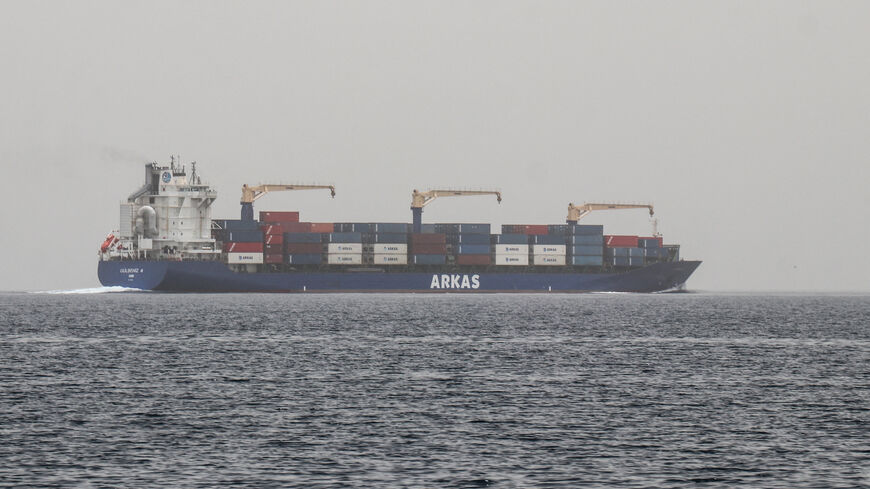
The Houthi attacks disrupted international commerce, forcing international shipping to take the long route around South Africa to avoid being struck.
LINKS WITH IRAN
The Houthis have built ties with Iran, but it is not clear how deep that relationship goes. The Saudi-led coalition accuses Iran of arming and training the Houthis, a charge both deny. The coalition also says Lebanon's Iran-backed Hezbollah is helping the Houthis, an accusation it rejects.
While Iran champions the Houthis as part of its regional "Axis of Resistance", Yemen experts say the movement is motivated primarily by a domestic agenda though they share a political affinity with Iran and Hezbollah.
The U.S. says Iran has armed, funded and trained the Houthis with help from Hezbollah.
The Houthis deny being an Iranian proxy and say they develop their own weapons.
WAR IN YEMEN
The war, which triggered one of the world's biggest humanitarian crises, began in late 2014 when Sanaa was seized by the Houthis. Worried by the growing influence of Shi'ite Iran along its border, Saudi Arabia intervened at the head of a Western-backed coalition in March 2015 in support of the Saudi-backed government.
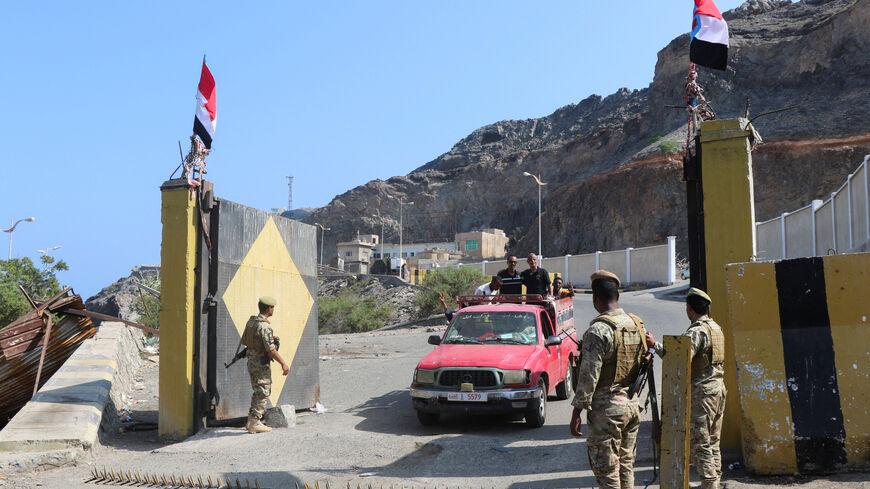
The Houthis established control over much of the north and other big population centres, while the internationally recognised government based itself in Aden.
(Reporting by Timour Azhari in Riyadh and Nayera Abdallah in Cairo and Maha El Dahan and Michael Georgy in Dubai; Editing by William Mallard, Lincoln Feast and Sharon Singleton)