Trump orders halt to US trade with Spain over NATO spending, Iran


By Humeyra Pamuk and David Latona
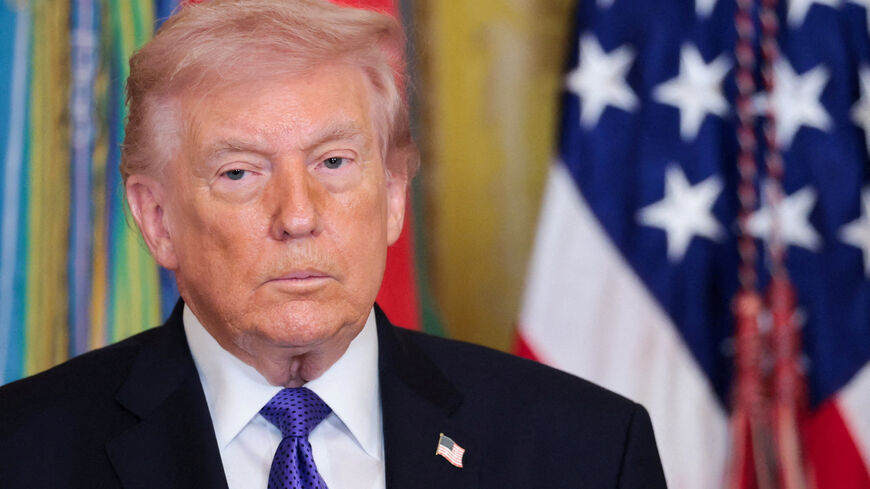
ANKARA/MADRID, July 8 (Reuters) - U.S. President Donald Trump on Wednesday ordered an immediate halt to all trade with NATO ally Spain, escalatingtensions over defence spending and the Iran war, despite European Union rules requiring trade negotiations to be conducted as a single bloc.
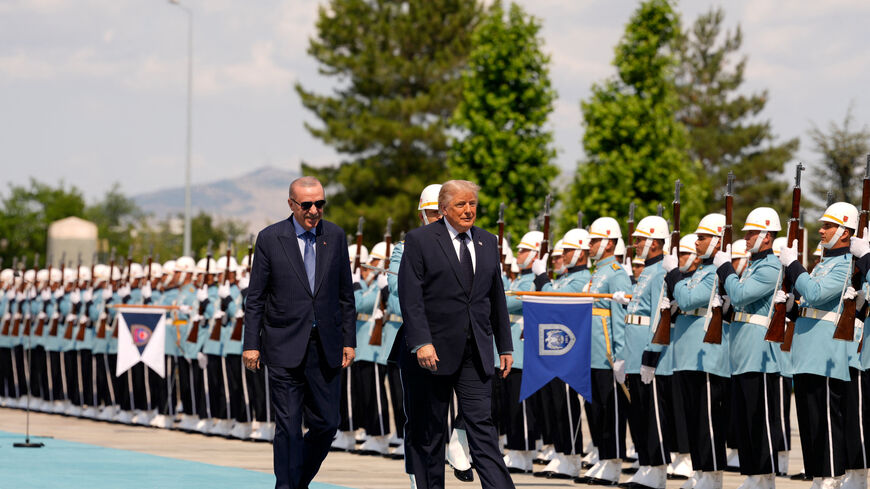
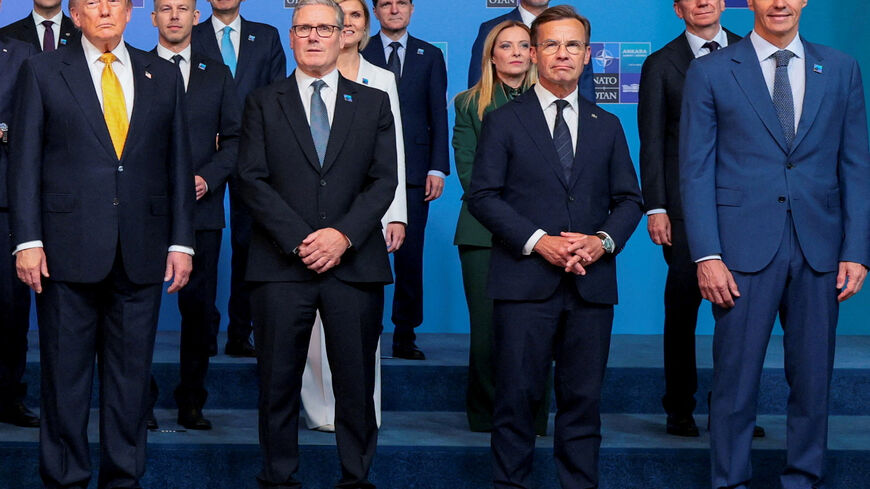
During a NATO summit in Ankara, which European leaders had hoped would cap rifts within the military alliance, Trump reignited the dispute with Spain, calling it a "terrible partner", and made renewed claims on Greenland, although he later changed tack and said there had been love and "a lot of unity" at the gathering.
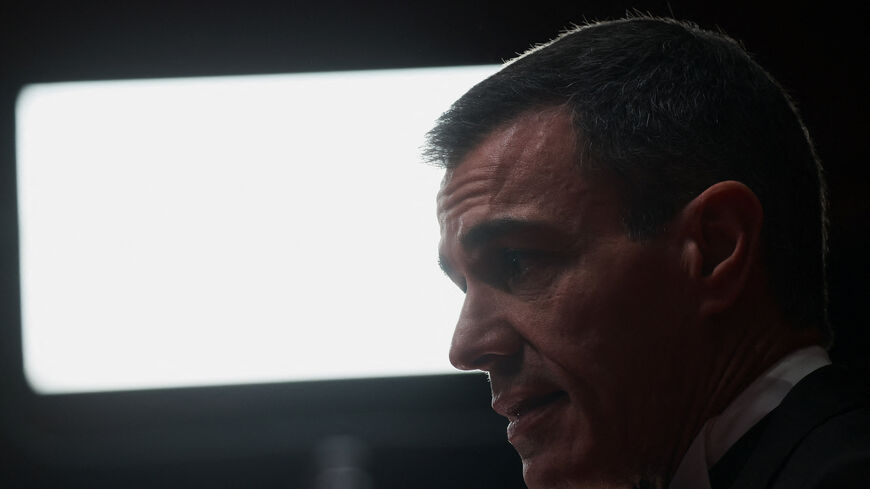
Spanish Prime Minister Pedro Sanchez played down the rift andsaid he had a "very cordial" conversation with Trump during the summit.
It was the second time Trump has instructed Treasury Secretary Scott Bessent to halt commerce with Spain over its refusal to commit to NATO's new defence spending target of 5% of GDP. However, after his first such promise in March, trade between the two countries continued normally.
"Spain doesn't agree to anything, and you shouldn't carry them," Trump told NATO Secretary General Mark Rutte, who tried to soothe the tension by saying that Spain "made a huge step last year" raising its spending to 2%, though he added that "there are still issues we have to solve".
Trump has repeatedly expressed frustration with Spain after Sanchez, a Socialist who leads a minority leftist government, refused to let the U.S. use its airspace or bases for the Iran war.
NO TRADE WITH SPAIN
"I don't want to do any trade with them, alright?" Trump said, turning to Bessent, who replied: "Yes, sir."
Trump added: "I don't want anything to do with Spain. Cut off all trade with Spain, please, including visits, OK?"
Asked about next steps on Trump's directive, a U.S. official in Washington told Reuters that the Treasury Department will work with the Commerce Department and the U.S. Trade Representative's office to present Trump with "a menu of Spanish products that may be embargoed in the coming days."
Trade lawyers say Trump could likely invoke the International Emergency Economic Powers Act to impose a full or partial embargo on Spanish imports.
SANCHEZ SAYS SPAIN IS A RELIABLE NATO ALLY
Later, Sanchez told a news conference that he and Trump discussed the soccer World Cup, hosted by the U.S., and golf, but not military spending.
He reiterated that Spain was a reliable NATO ally, announcing an unspecified fresh deployment of Spanish troops to Finland to join NATO's Arctic Sentry mission, adding: "The facts are the facts."
Spain was among the fastest-growing military spenders in NATO over the past two years, he added, noting that Spain's strong economic growth was giving it extra fiscal headroom to meet its defence commitments.
As trading partners, Spain and the U.S. have "very, very strong ties that have endured regardless of the ideological leanings of the governments in power", he said.
Sanchez's office noted that Spain had a trade deficit with the U.S. and that economic ties were forged by private companies rather than governments, adding that EU customs and trade rules prevented singling out memberstates.
Washington and Madrid jointly operatetwo key military bases in southern Spain for naval and air operations.
Asked whether Spain had contingency plans if the U.S. reducedforces or assets at the bases, Spanish officials said they were unaware of any such moves and that investment in both facilities was growing.
Punishing Spain individually would be possible but challenging, Jennifer Hillman, an economic law expert and former member of the WTO’s Appellate Body, said in March. She said Trump would need to declare a national emergency and provide evidence that Spain constituted a threat to national security, foreign policy or the economy.
MAJOR U.S. INVESTORS ENTHUSIASTIC ABOUT SPAIN
Despite Trump's trade threats, major U.S. investors have expressed enthusiasm about Spain as an investment destination.
BlackRock, the world’s largest asset manager, said in its mid-year report that Spain was its "preferred country for equity exposure" because of economic growth that has outpaced most developed countries.
BlackRock holds €104 billion ($119 billion) worth of Spanish equities, debt and other assets, and Spain is the U.S.-based firm's main bet at a global level for the next six months, a spokesperson said.
Still, net overall U.S. investment in Spain fell by €1.9 billion in the first quarter, according to Spain's Economy Ministry.
Spain is the world's largest olive oil exporter and sells auto parts, steel, chemicals and wine to the United States. However, analysts consider it far less exposed to U.S. trade than its European peers.
Spain's wine exports, already facing a tougher U.S. market before Trump's latest threat, fell by 4.3% in value and 2.6% in volume in 2025, according to Spain's wine industry group OIVE, as cited by consultancy ERA Group.
($1 = 0.8763 euros)
(Reporting by Humeyra Pamuk, Gram Slattery in Ankara, David Latona, Javi West Larrañaga, Victoria Waldersee, Aislinn Laing and Emma Pinedo in Madrid; Editing by Charlie Devereux and Andrei Khalip)