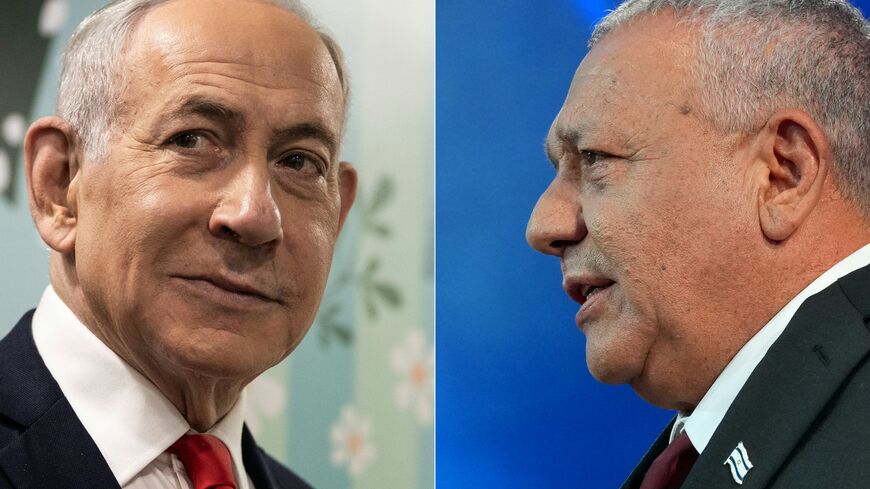
Sluggish coalition talks push Israel toward its fifth election in four years
With both negotiation tracks failing to produce an agreement on forming a government and the clock ticking, the prospect of another round of elections in Israel appears closer than ever.


With the clock ticking on government formation, opposition voices warn that Israel could be heading toward another election.
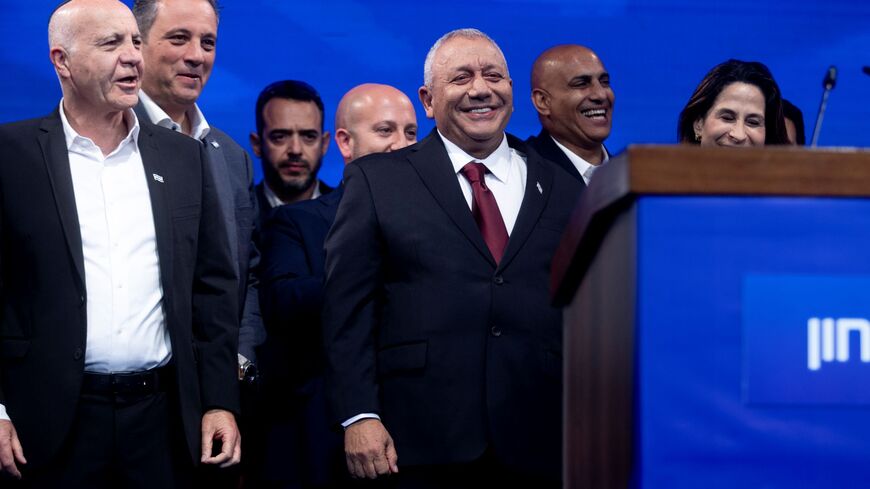
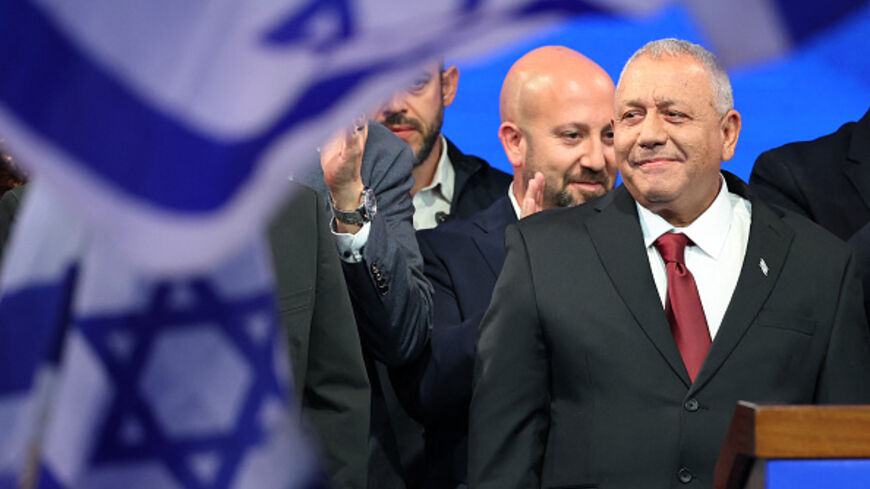
Yashar leader Gadi Eisenkot, tasked by President Isaac Herzog with forming a government, has until Dec. 20 to do so, but no agreement has emerged. If he fails, Herzog can either give another candidate the mandate or call new elections, which would be the country's fifth election in just four years.
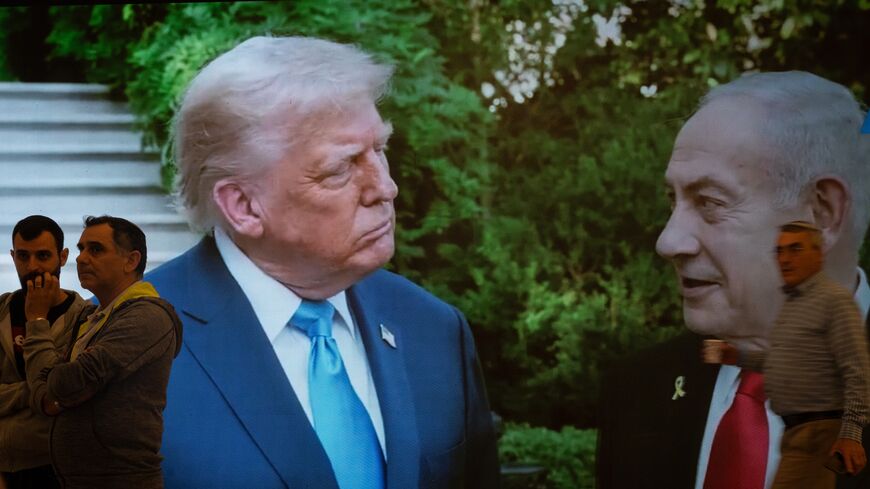
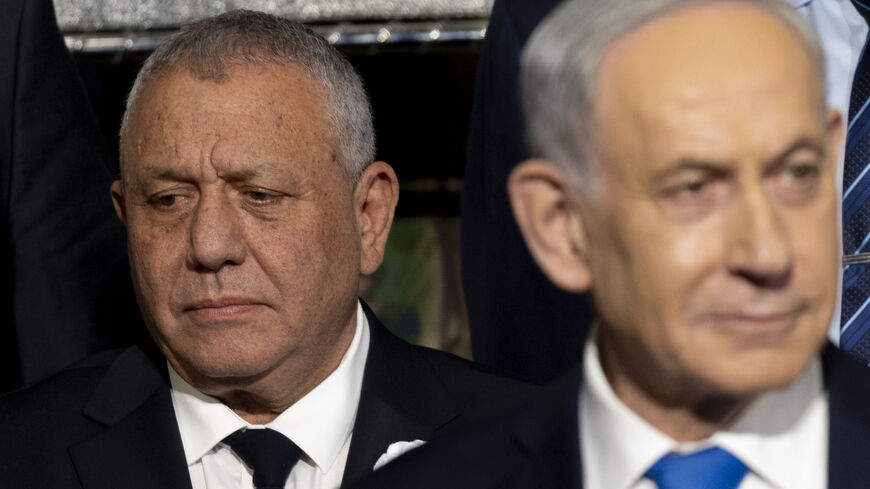
This week, Eisenkot's Yashar team met twice with Likud representatives to explore a unity government joining his Change Bloc with Netanyahu's party. The two sides will meet again Nov. 25. Such a deal would break the opposition's campaign pledge to remove Netanyahu from power and would likely involve a rotation, with Eisenkot and Netanyahu alternating as prime minister.
At the same time, opposition figurehead Yisrael Beiteinu leader Avigdor Lieberman and Eisenkot held talks with lawmakers from the ultra-Orthodox United Torah Judaism (UTJ) party about a possible coalition.