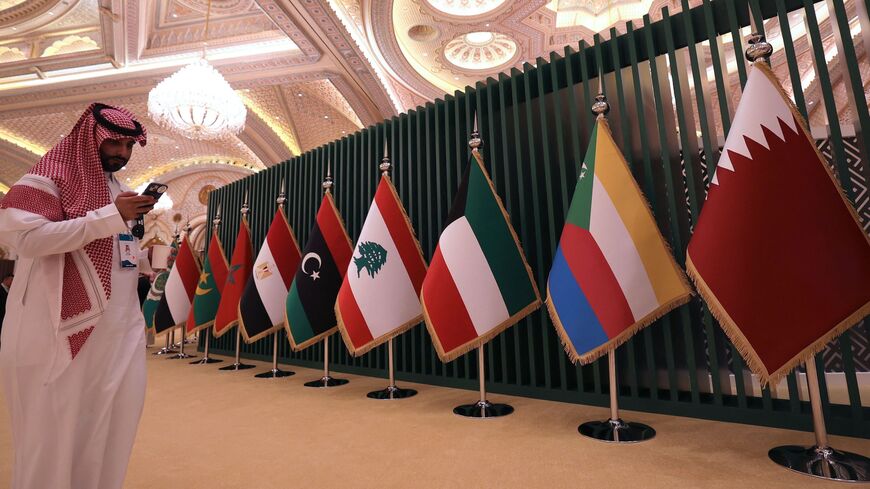
In a snapshot of global appetite for Saudi Arabia’s ambitious national overhaul, Jan. 1, 2025, marked the one-year anniversary of a deadline for multinationals to establish regional headquarters in the kingdom or lose access to lucrative state contracts.
So far, it appears the edict is paying off: In October 2024, Saudi Investment Minister Khalid Al-Falih announced that 540 multinationals had selected Riyadh for their regional headquarters, years ahead of a 2030 target of 500. More players have since announced new local bases in Saudi Arabia, including aerospace giant Airbus in December, capping off a busy year for what’s known as the Regional Headquarters Program, or RHQ.
Widely seen as a play to lure business and investment away from the UAE, the RHQ initiative dovetails with Saudi Arabia’s Vision 2030 plan to diversify its economy and attract $100 billion in foreign direct investment annually by the decade’s end. The RHQ program offers incentives to relocate — including 0% corporate income tax for 30 years — but the scheme’s driving force has been the government’s vow to stop working with firms lacking local headquarters.
In a country where state-controlled companies are powering a dealmaking boom and huge projects, this ultimatum carries weight. That said, the full impact of the RHQ initiative is still coming into focus and its rollout wasn’t without issues. Notably, the kingdom moved slowly to clarify regulations, only revealing details on RHQ tax breaks on Dec. 5, 2023, leaving firms rushing to comply. Post-deadline, the government published the RHQ’s tax rules in February 2024 and issued additional guidelines in April.
AL-MONITOR All-Access gives you unlimited access to all our journalism, the full Daily Briefing, exclusive interviews, premium newsletters, and live events — for less than $2/week.