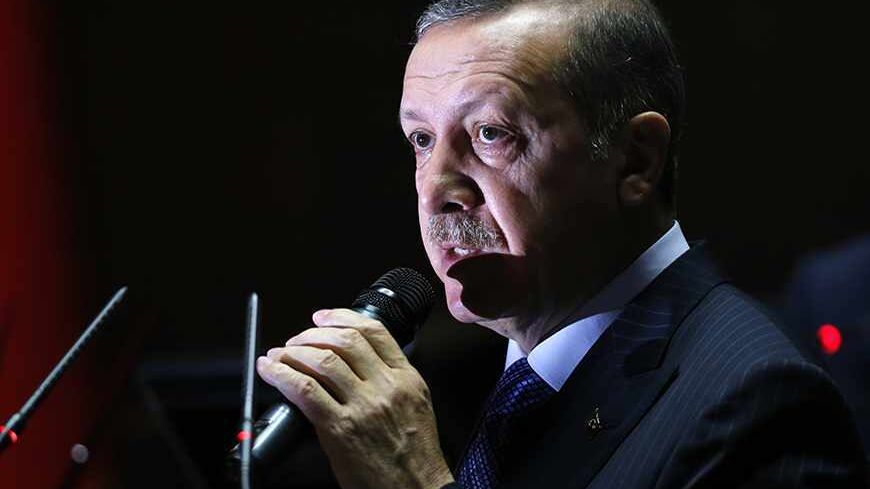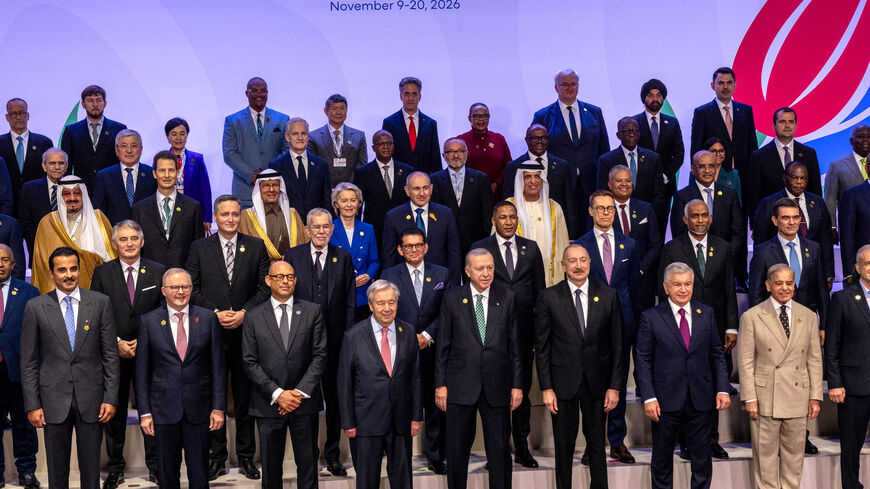




Newsletter: Daily Briefing Iran war shadows Turkey’s COP31 summit World leaders began arriving in Antalya on Wednesday to take part in the COP31 climate conference, which Turkey is hosting for the first time. By Gabrielle Debinski In New York City, reporting on the Middle East
Analysis Iran's alleged cyberattacks in France raise fears of wider confrontation Iran's wartime threats are increasingly reaching beyond the Middle East, exposing vulnerabilities in Europe's civilian infrastructure and raising questions about Tehran's use of deniable operations to pressure its adversaries. By A correspondent in Tehran In Tehran, reporting on politics
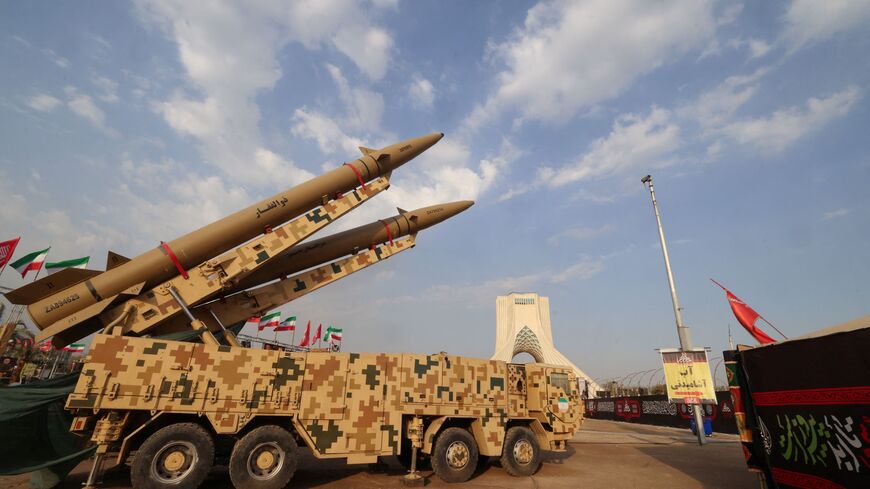
Iran unveils new underground 'missile city': What to know Iran has moved much of its missile stockpile underground as the threat of a new war looms. Iran
Newsletter: FutureVerse Does Middle East have Nvidia problem? Nvidia shares tumbled this week as the company launched an independent investigation, sparking fallout that could reach all the way to the Middle East. By Samuel Wendel In Washington, DC, reporting on regional business and tech
Netanyahu plays the Iran card in Israeli politics Can Israeli Prime Minister Benjamin Netanyahu adjust to the possible change offered by the agreement with Iran? Israel
Netanyahu's alarm about Iran balanced by military chiefs Contrary to the alarmist stance of Prime Minister Benjamin Netanyahu, past and present chiefs of Israel's Defense Establishment do not reject the agreement signed with Iran. Israel
Iran nuclear accord requires secular 'reset' of Turkey's foreign policy In the aftermath of Iran's nuclear accord, Turkey can only play an effective regional role if it adopts a secular foreign policy. Saudi Arabia
Hamas mixed on Iran nuclear deal Senior Hamas official Mousa Abu Marzouk has criticized Iran for signing a nuclear deal with the West, but some of his colleagues believe the deal will have a positive effect on Hamas. Palestine
Obama going big in the Middle East The "first step agreement" with Iran is a giant step toward recasting the strategic landscape in the Middle East for the better, including for US allies Israel and Saudi Arabia. Saudi Arabia
Sulaimaniyah scene of power struggle among Iraqi Kurdish parties Infighting and growing polarization between leaders in Erbil and Sulaimaniyah have raised concerns about the unity of Iraqi Kurdistan. Iraq
Geneva accords pledge to ease humanitarian transactions for Iranians The P5+1 is still trying to figure out how to keep its promise to facilitate Iranian purchases of food and medicine and other humanitarian trade. Iran
Netanyahu's nuclear blind spot Prime Minister Benjamin Netanyahu's reaction to the Iran nuclear deal shows a blind spot in his thinking — and a bit of hypocrisy. Israel
Iran deal may encourage more humble Turkish foreign policy The nuclear agreement between the six world powers and Iran may be a wake-up call for Turkey to recast its own foreign policy after its failures in Syria. Syria
Netanyahu is wrong on Iran deal Iran is going beyond its IAEA commitments in the six-month agreement reached in Geneva. Israel
Netanyahu risks Israeli isolation over Iran deal The success of the P5+1 in closing a deal with Iran might encourage the body to take part in the Israeli-Palestinian talks and fill the diplomatic space left by the Middle East Quartet. Israel
Netanyahu's 10 lessons to be learned on Iran There are 10 reasons for Prime Minister Benjamin Netanyahu to abandon his fight over the deal with Iran and concentrate his efforts to restore relations with the Obama administration. Palestine